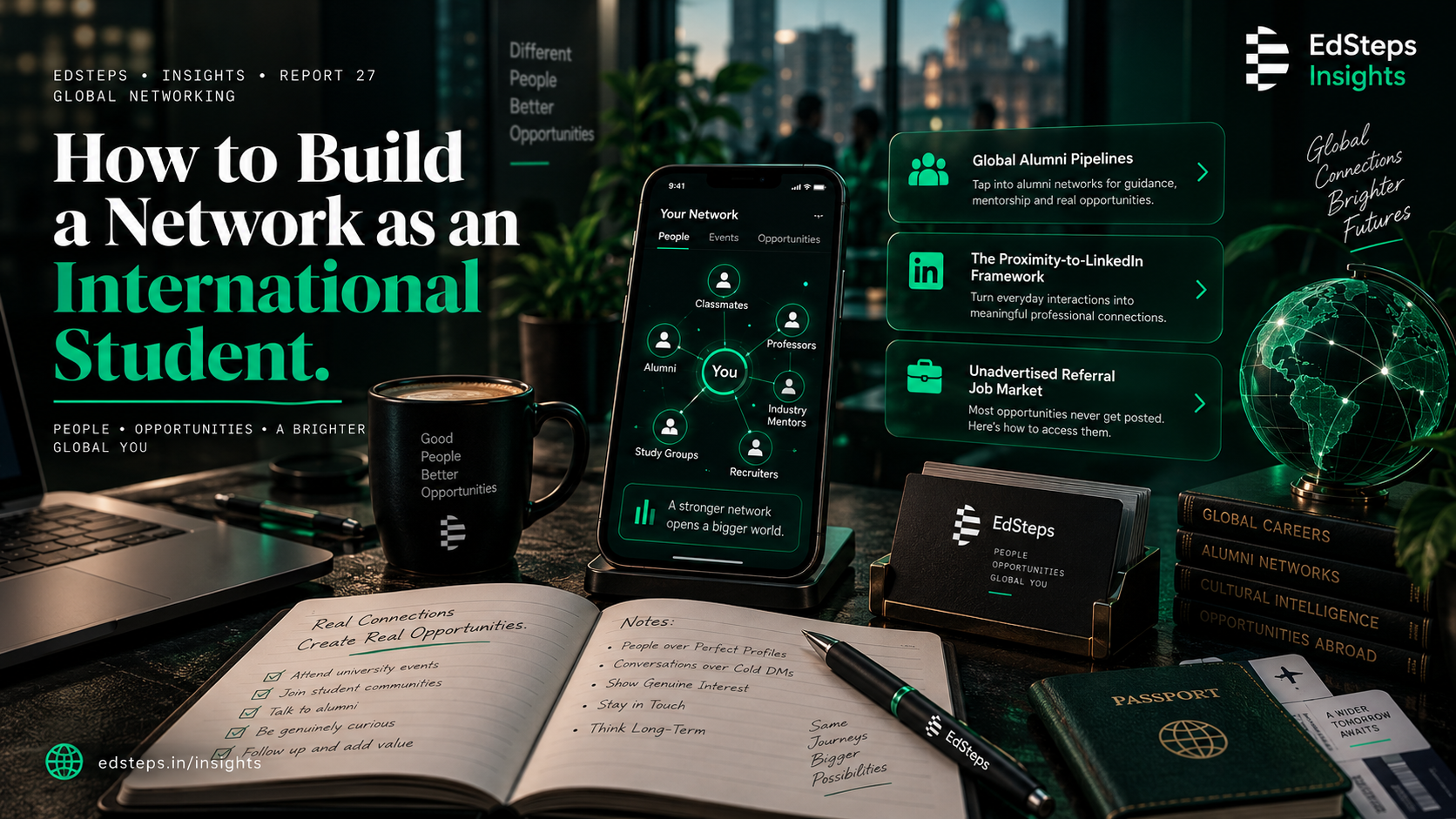
When I landed in London for my Master’s, I had one goal: soak it all in. New culture, new city, new people.
But here’s the thing they don’t tell you: It’s really easy to land in a new country… and stay in your bubble. Same language, same background, same friends. Comfortable, but limiting.
If you truly want to make the most of your study abroad experience, building a global network, not just a local one is key.
Here’s how I did it (and how you can too):
1. Don’t just stick to your comfort zone
Let’s be honest. The first friends you’ll make will probably be from your home country. That’s normal. That’s necessary. But if 90% of your conversations are in your native language, you’re missing out.
Challenge yourself to sit with someone new in class. Join that group project with unfamiliar names. Say yes to that potluck invite even if you don’t know anyone.
2. Think beyond your course cohort
You’ll find yourself spending a lot of time with your classmates — which is great, but also limiting.
3. Master the art of intentional networking
You don’t need to “network” in the formal, LinkedIn-cringe sense. But you should reach out to people who inspire you.
One intentional conversation can open doors you didn’t even know existed.
Connect Directly with Global Alumni
Don't navigate your university and career journey alone. Talk 1-on-1 with verified international alumni who have graduated from your dream programs and cracked global jobs.
Find an Alumni Mentor on EdSteps →4. Build deep, not just wide
You don’t need 100 LinkedIn connections. You need 5 people you can have honest conversations with.
Ask questions. Listen to their stories. Share yours. True relationships are reciprocal, not transactional.
Be curious about how their culture views the same things differently — whether it’s family, food, education, or ambition.
True networking isn’t about exchanging business cards. It’s about understanding people and being remembered.
Final Word: This is your global moment
Your degree will teach you frameworks. But it’s your network that will teach you life.
The conversations you have, the friends you make, the perspectives you absorb — they’ll stay with you long after you’ve left campus.
So take that first step. Say hi. Ask questions. Be curious. And remember, someone out there is just as nervous to talk to you, too.
Connect 1-on-1 with verified alumni who have already walked your path. Real career guidance, no consultant sales pitch. Or evaluate your profile and get an honest ROI breakdown with EdAI.
Frequently Asked Questions
Start with proximity — coursemates, societies, university events — then extend deliberately to alumni, industry meetups and LinkedIn. The students who build strong networks treat it as something they do weekly, not something that happens naturally.
Substantially. A significant share of graduate roles are filled through referral or internal recommendation before they're advertised widely, and international students without local networks miss those entirely.
Start with structured settings where conversation has a reason to happen — society meetings, study groups, university events, volunteering. Unstructured socialising is harder for most people, not just you.
Yes. Keep it current, connect with people you actually meet, and follow companies you'd like to work for. A message referencing something specific gets replies; a generic connection request usually doesn't.
Most universities have alumni platforms or LinkedIn groups. Alumni are generally receptive to students from their own institution, particularly when the message is specific rather than a general request for help.
Yes, particularly early on. They're structured, everyone is there for the same reason, and the awkwardness is shared. They also tend to include employers who specifically recruit from that university.
Deliberately — occasional messages, sharing what you're working on, staying visible. This matters especially if you intend to return, since Indian opportunities often come through people who already know you.
From the first month. Building connections before you need them is considerably easier than approaching people when you're job-hunting.